SIGNATUREZen & Tea
Zen & Tea
with a Monk
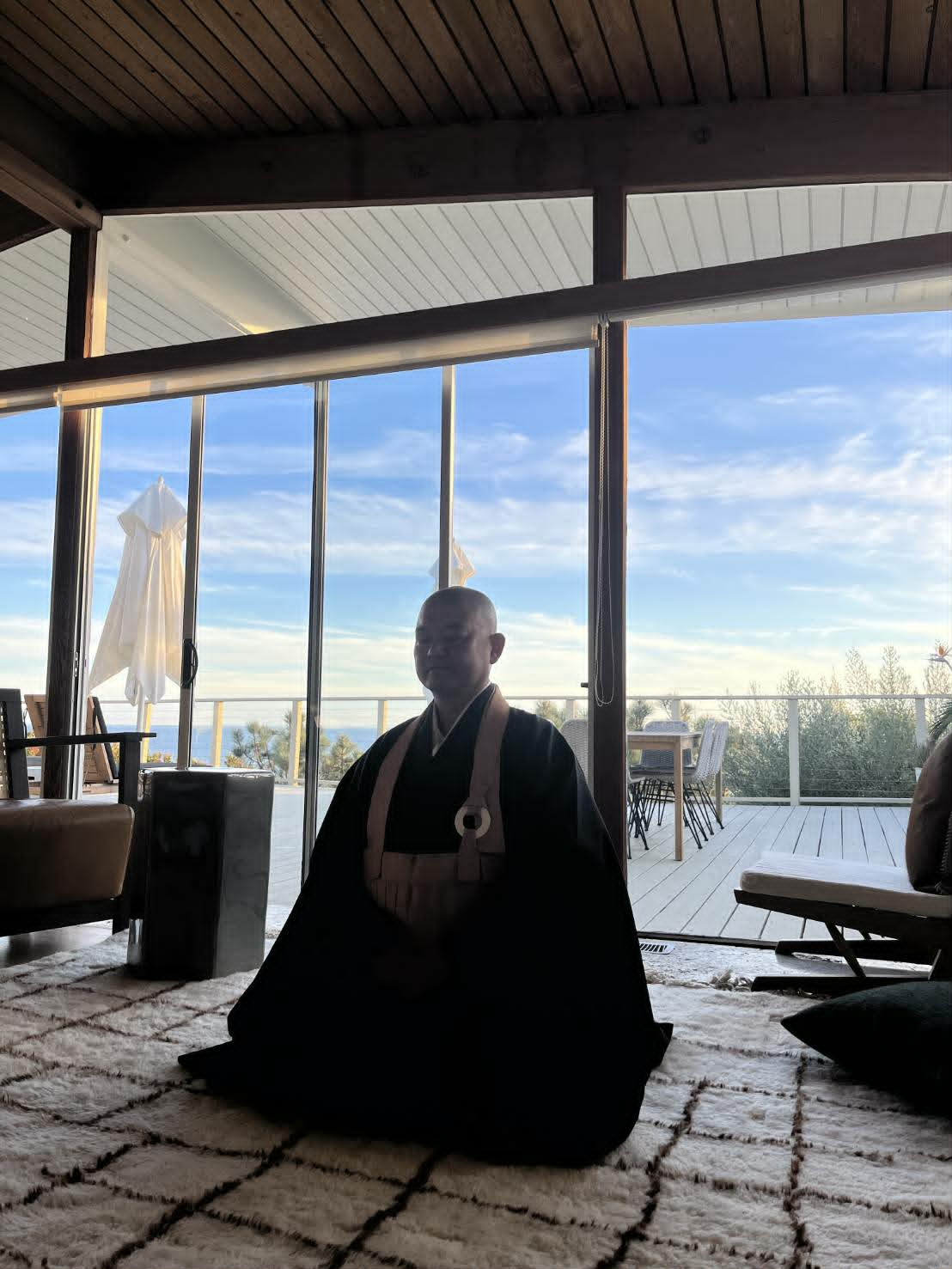
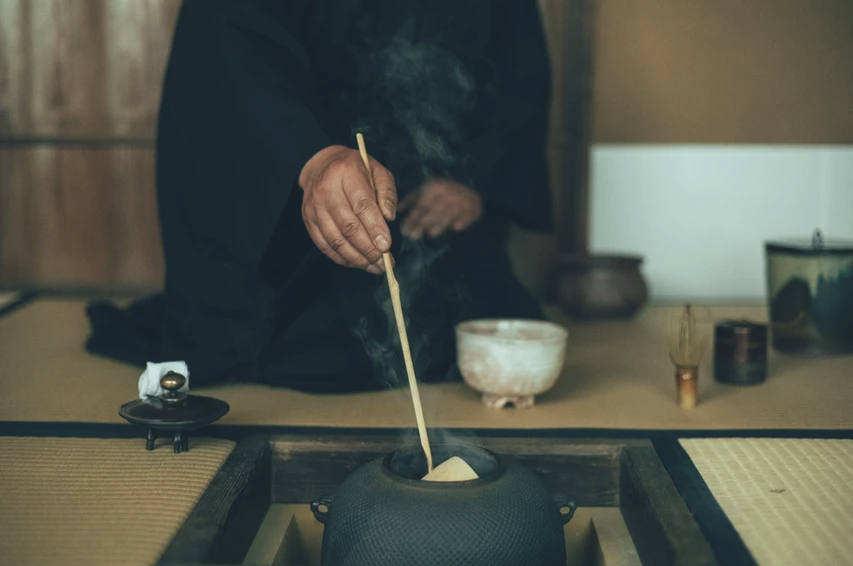
Settle the mind through Zazen combined with gentle exercises devised by our head priest. Afterward, a bowl of matcha is whisked by hand and served to you in the Ton-an tea room.
BookWe offer nothing extraordinary — only the gift of time, shared in stillness.
We sweep the garden, arrange the flowers, and refresh the water in the stone basin. We burn incense, purify the room, and set the kettle to boil.
This meeting, only once. We look forward to meeting each and every one of you.
"The heart is like an ocean. Joy, sorrow, anger, worry — these are waves, always rising and falling. But beneath the surface, the water is perfectly still. That stillness is already within you."
When you sit in Zazen, the waves begin to quiet. The surface becomes a mirror—and in that stillness, we find Mu: the forgetting of the self.
Kannon—the embodiment of compassion—is never far away. She is already within you, waiting in the depths of your being. What saves you is already there. Zazen is simply the practice of sitting still—and finding it.
Daitoku-ji was founded in 1315 — more than 200 years before Columbus reached the Americas. For over seven centuries, it has stood as one of Japan's most important centers of Zen Buddhism. Here, Zen monks and tea practitioners have long shared a close relationship, and the spirit of Zen continues to shape the atmosphere of tea today.
Tea ceremony was never merely a social ritual. It grew from Zen — the art of finding stillness within the ordinary.
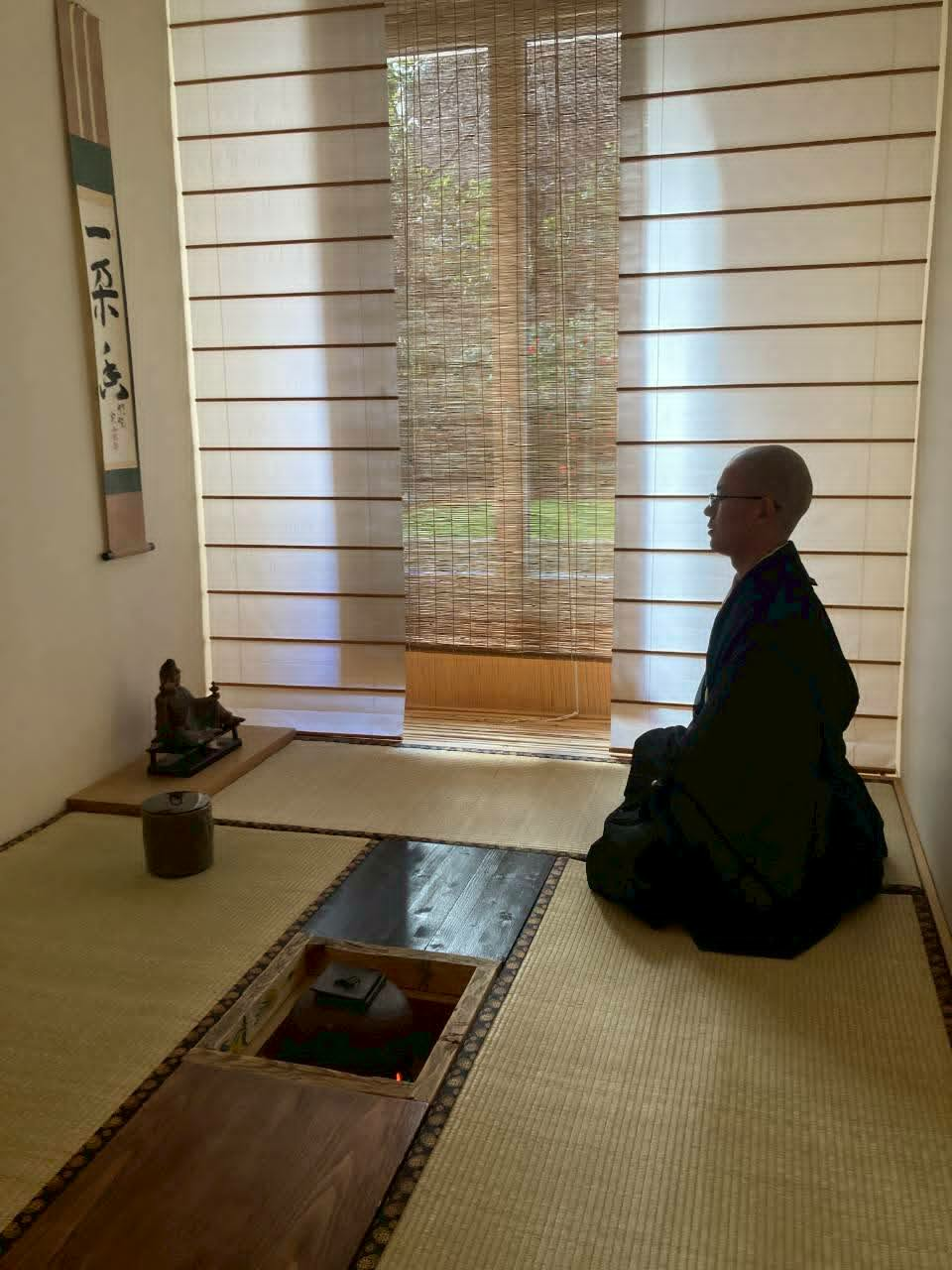
Daiji-in is a small sub-temple within Daitoku-ji, founded in 1585. Its tea room, Ton-an, rebuilt in 1924, and has remained unchanged ever since, remains in use today.
Settle the mind through Zazen combined with gentle exercises devised by our head priest. Afterward, a bowl of matcha is whisked by hand and served to you in the Ton-an tea room.
Book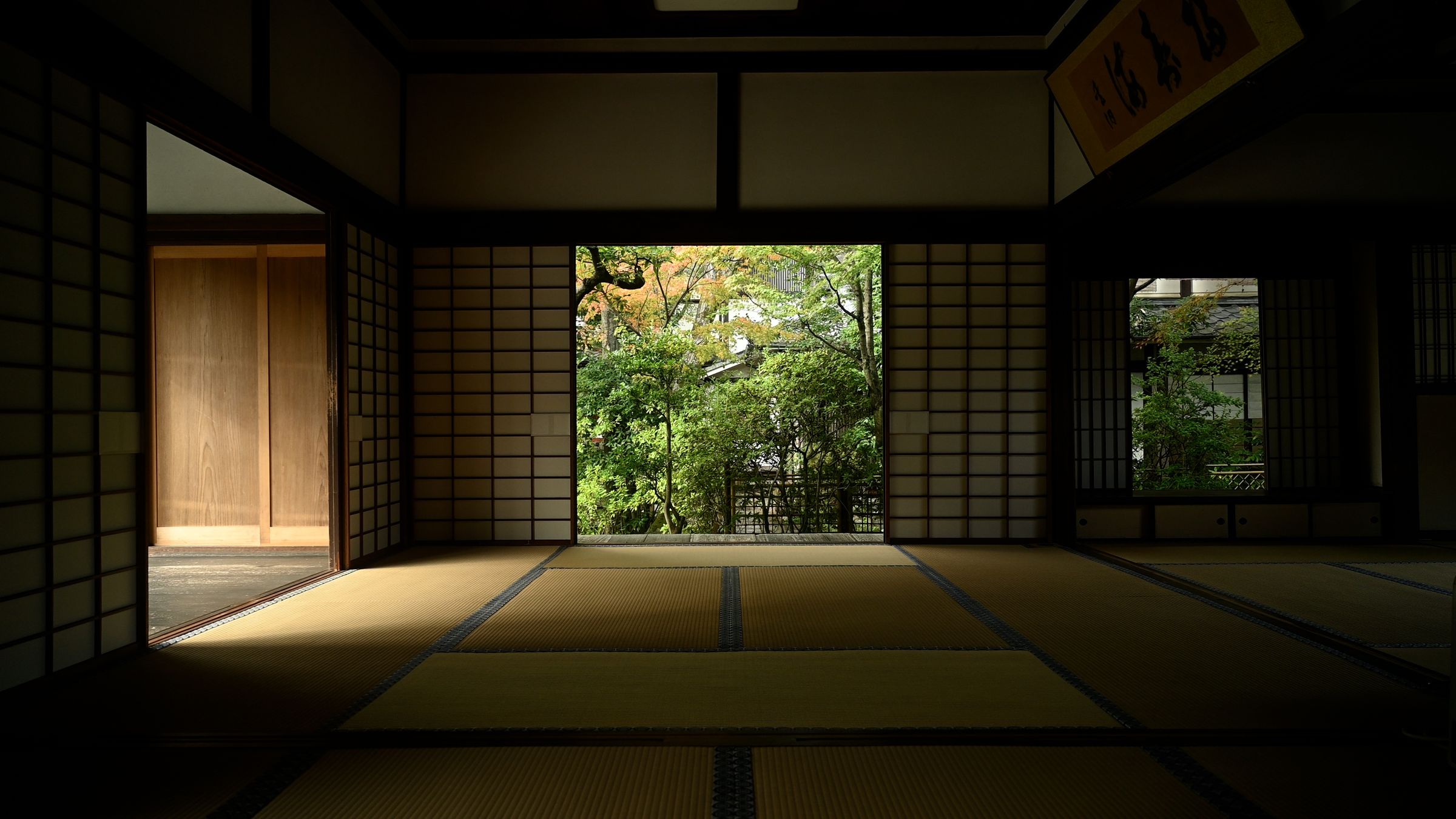
Spend three days immersed in the profound silence of ancient lands. As the flow of time begins to align with the earth's rhythm, we gently release physical tension, eventually letting go of the "self" that binds us. A quiet journey back to your true essence.
Book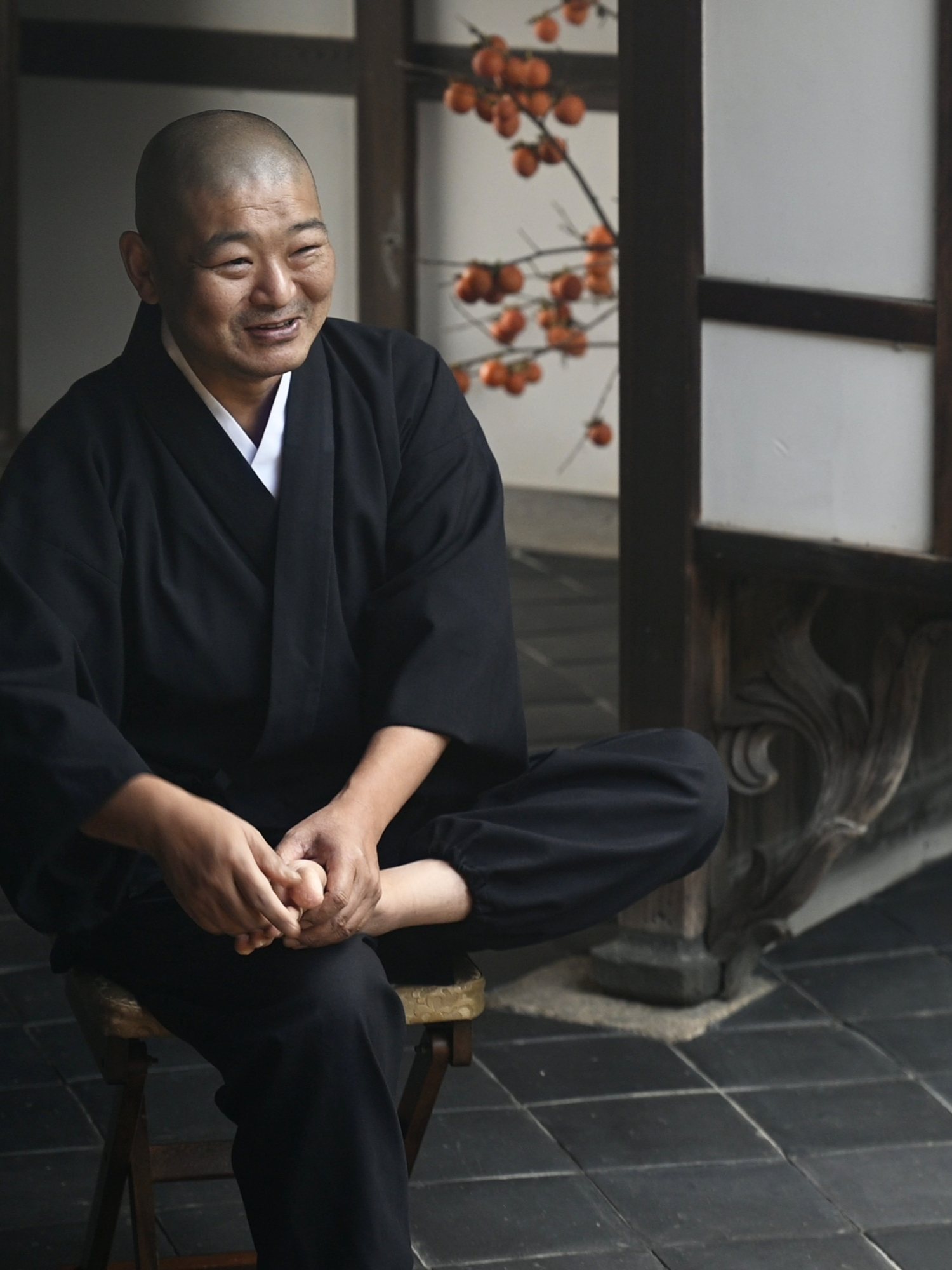
For those seeking a deeper encounter, a private retreat within the tranquil grounds of Daiji-in. Guided by monk Seizan Toda with English interpretation, each retreat is a private dialogue—shaped entirely around you.
Enquire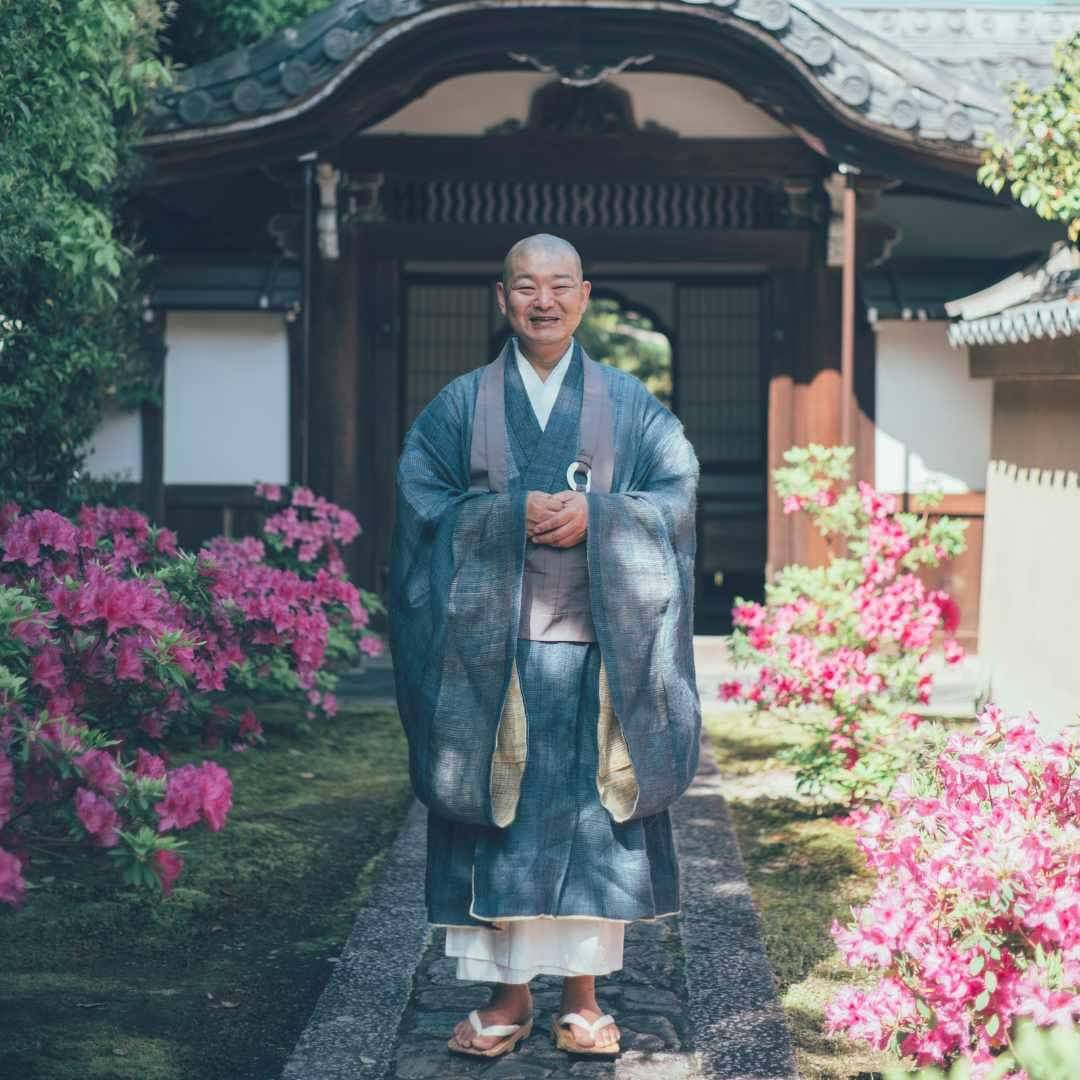
Head priest · Daiji-in Temple
Born in Kyoto in 1967, Seizan Toda is the Head Priest of Daiji-in, a sub-temple of Daitokuji. A graduate of Doshisha University, he began a career in accounting before choosing the Buddhist path. He completed five and a half years of rigorous monastic training at the sōdō of Tenryūji and Daitokuji. He has led Zazen and Buddhist chanting at churches in France and Germany.
Monk · Daiji-in Temple
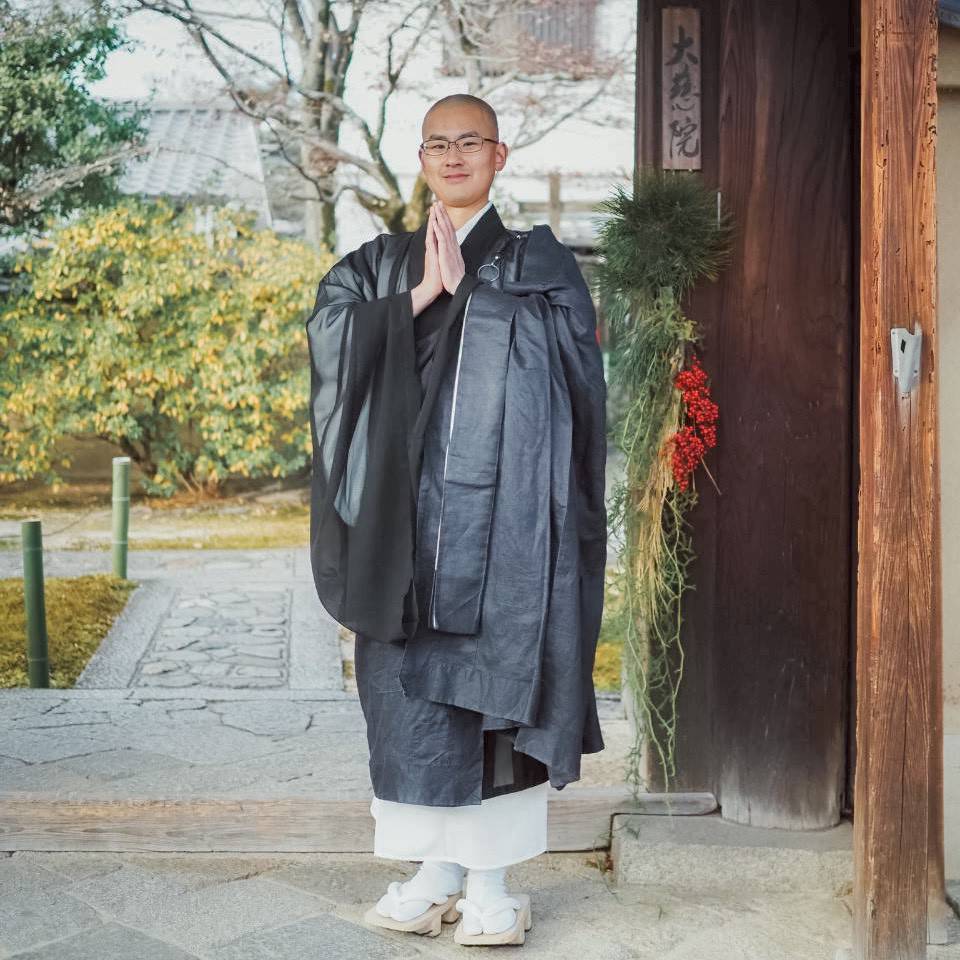
Born in Kyoto in 2000, Souzen moved to Canada at age 13, spending his junior and senior high school years immersed in English. During high school he circumnavigated the globe aboard a sailing ship. He subsequently completed five years of rigorous Zen training at the Nanshu sōdō in Sakai, Osaka. He now serves as a monk at Daiji-in while deepening his English at Kyoto Junior College of Foreign Languages.
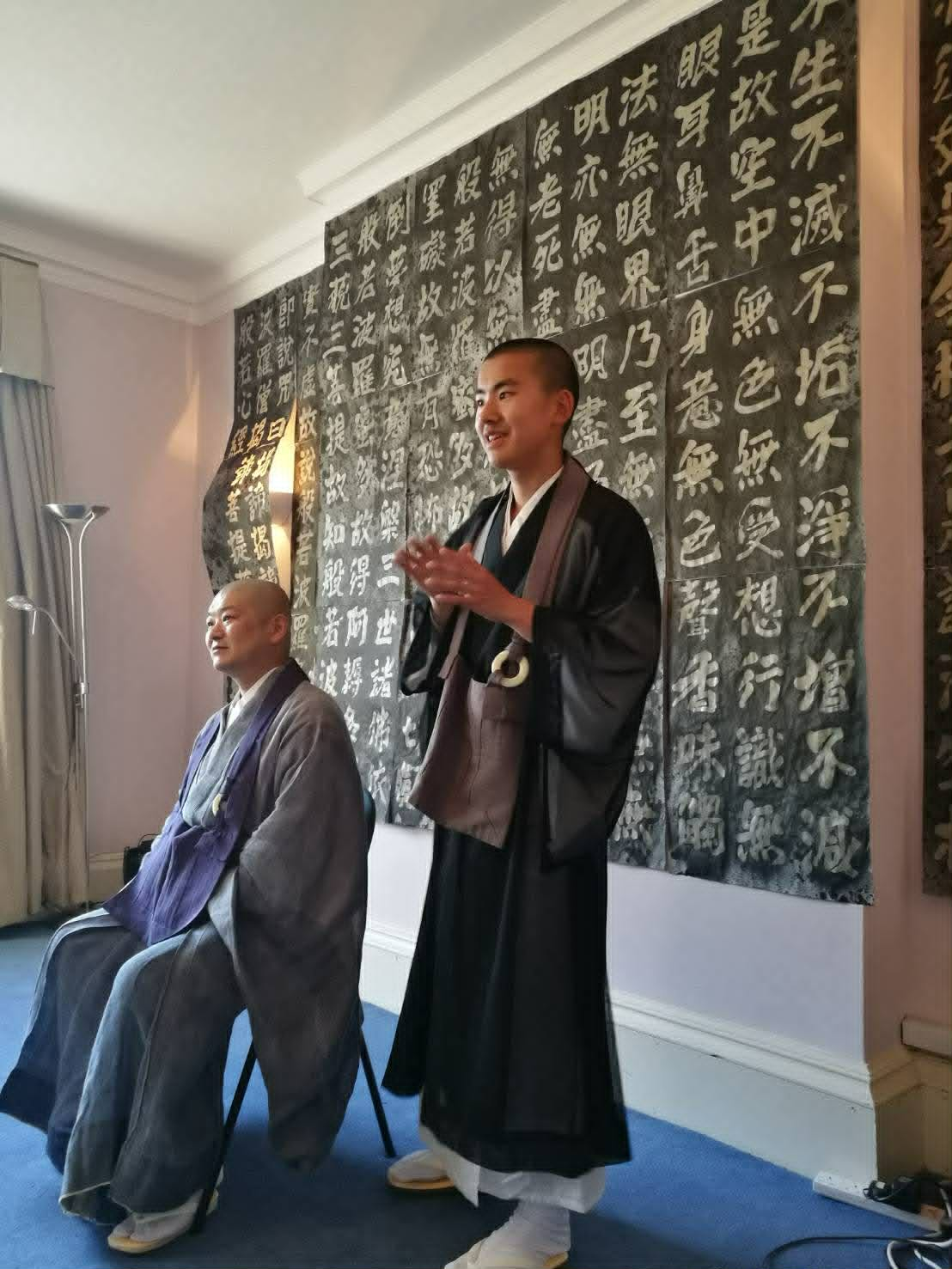
If you would like, we would love to come to you — a museum, a school, a hospital, the seaside, a meadow, a forest.
Let us sit together in Zazen, then share a cup of tea.
Please feel free to reach out.
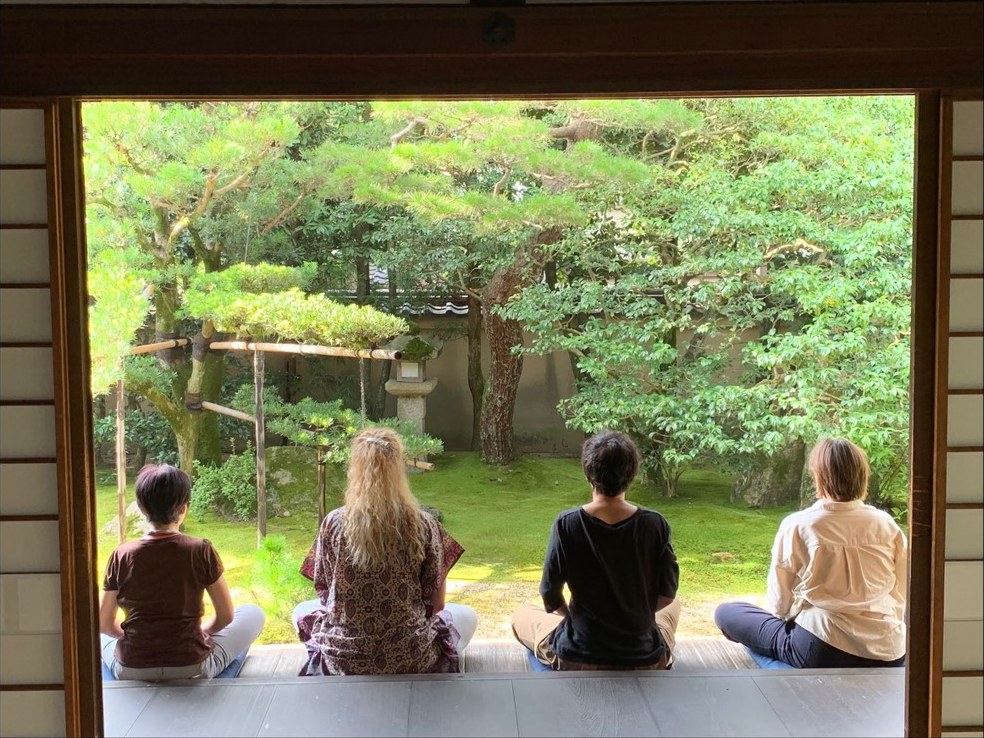
Through Zen teachings and the scenery of each passing season, the Daiji-in Sangha offers moments that keep our hearts connected, even when we are far apart.
In the app, you can enjoy blog posts and videos about Daiji-in and Zen.
By joining the Sangha, you also help carry the traditions and culture of Daiji-in into the future.
Full articles are available to members on Daiji-in Sangha.

In Zazen, it is thought that your body, breathing, and heart are all connected. Stress builds up in your muscles. A distorted body causes shallow breathing, and shallow breathing creates an irritated and depressed heart. In zazen, you first remove the distortions from your body and fix your posture. Your breathing will then naturally become deep and calm. And when your breath becomes deep and calm, your heart becomes peaceful.
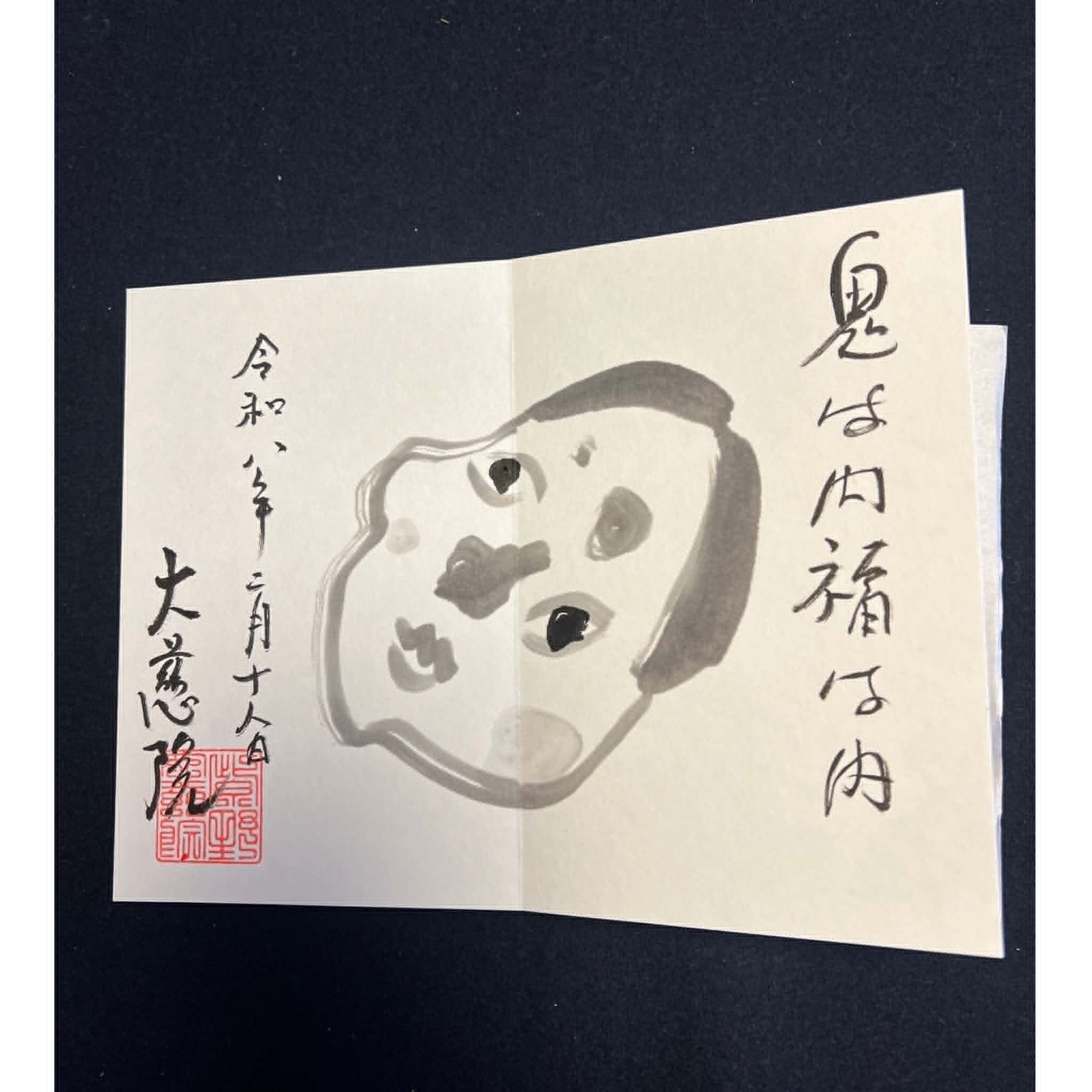
During the construction of Senbon Shakadō — Kyoto's oldest temple hall, built 800 years ago — a carpenter accidentally cut one pillar too short. His wife offered an unexpected solution: rather than trying to lengthen the mistake, cut all the other pillars to match. The hall was built that way, and it still stands today.
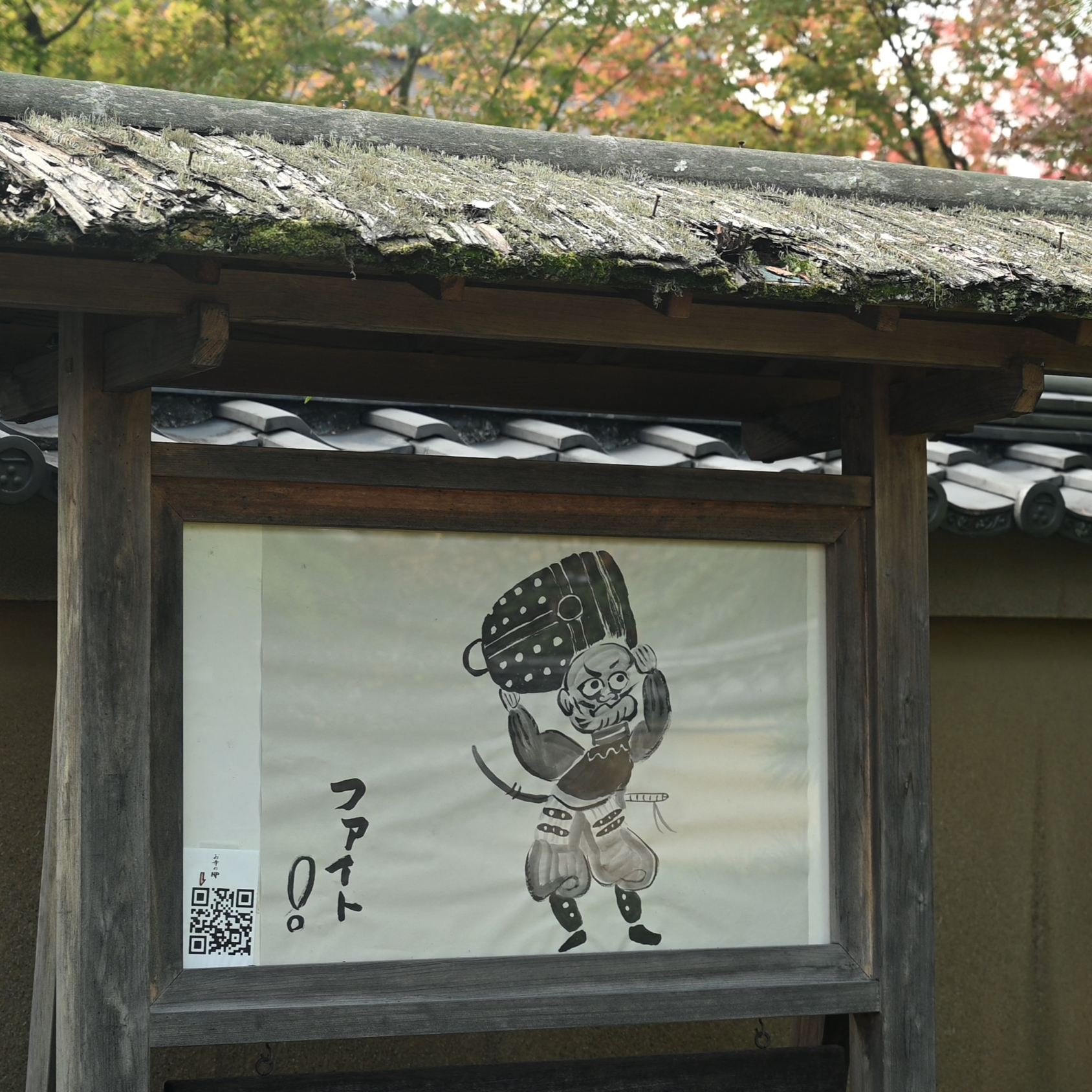
Zen is to quietly calm the heart and mind. Our hearts can be compared to water with waves of emotion (joy, anger, suffering and pleasure) on the surface. Quietly performing zen meditation (zazen) calms these waves.
Maintaining a historic temple demands rare skills and ongoing care. We believe that consistent restoration is essential — not only to preserve what exists, but to ensure these crafts are passed on to future generations.